What actually happened
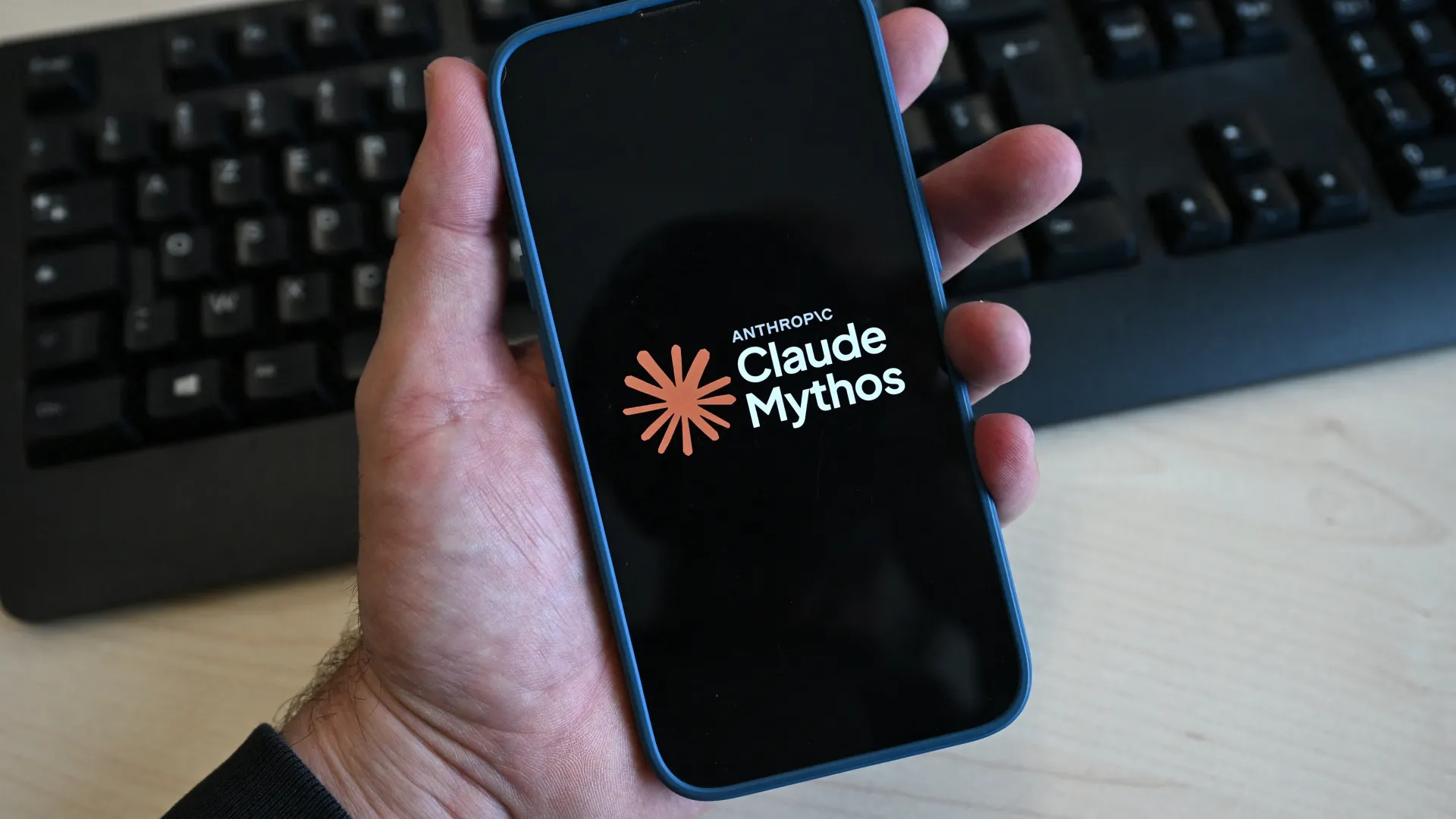
On 9 June 2026, Anthropic released Claude Fable 5 and Claude Mythos 5. Within days, the US Commerce Department used national-security export controls to bar access to the models by any foreign national, including non-citizen employees inside the United States and everyone outside it. Anthropic disabled both models. They returned roughly 19 days later, on 1 July, after the controls were lifted.
The stated trigger was a security concern: a technique that bypassed Fable's safeguards around Mythos's cybersecurity capabilities. How serious it was is contested. Anthropic called the bypass narrow. Some researchers called the reporting inflated. By several accounts the government letter did not spell out the specific national-security rationale.
Set the incident aside. The precedent is the story: a commercial AI model was treated as a controlled dual-use technology, and access was revoked by policy, overnight, for most of the planet.
Controlling weights is a different lever than controlling chips
The US has spent years restricting China's access to advanced chips. Restricting access to a specific model is a newer move, and a sharper one. Chips are a supply constraint that slows training. A model-access ban is a demand-side cut that removes a capability that already exists.
The catch is that the two levers age differently. A chip you cannot buy is a chip you cannot buy. A capability you cannot license is one you are now strongly motivated to build. Denial of a finished model is an argument for domestic substitution, not a barrier to it.
What it means for China's AI ambitions
Read narrowly, the episode changes little for China. Chinese labs were never going to depend on a US frontier API for strategic work. Read broadly, it confirms the thesis Chinese policy has operated on for years: that access to Western frontier AI is conditional and revocable, and that indigenous capability is the only kind you control.
Export controls that deny a capability tend to accelerate the incentive to reproduce it. China's open-weight models have already narrowed the gap on many tasks. A world where US frontier models can be switched off for foreign nationals rewards exactly that investment.
The lesson is not about China. It is about dependency.
The uncomfortable part for enterprises everywhere: for 19 days, the deciding factor in whether you could use a model was your employees' nationality and a letter from a government agency. That is not a product risk. It is a sovereignty risk, and it does not appear on any vendor's status page.
If a capability is core to how your organization operates, and it can be revoked by a policy you do not control, then you do not own the capability. You are renting it, on terms that can change on a Friday afternoon.
The answer is not to avoid frontier models. It is to know which of your systems can tolerate that revocation risk and which cannot, and to deploy the second category where no one else holds the switch.